

Introduction
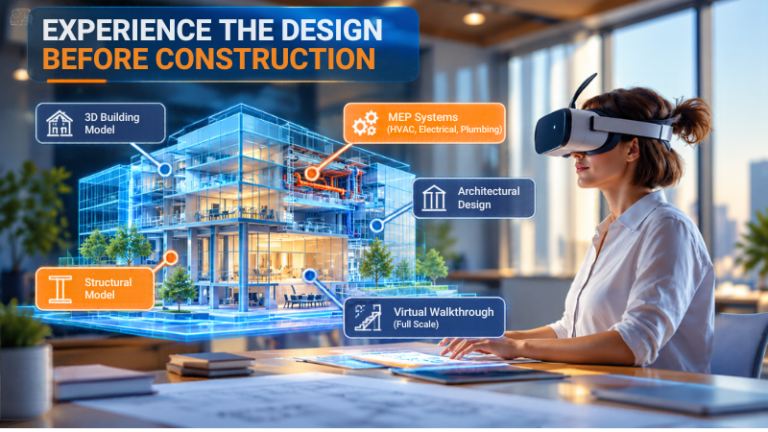
How much value would your virtual design review bring if it could detect a wall clash before pouring concrete? Almost all project managers know that the answer is “quite a bit,” but still fail to find design flaws until contractors get to the site.
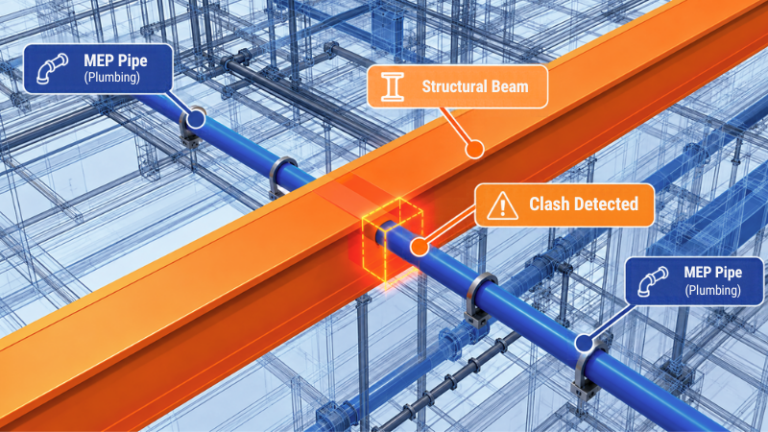
This gap between design and site is a big cause of construction rework. A pipe runs through a beam. A door opens into a column. A room feels tight, but nobody saw it on a flat 2D drawing. By the time someone spots the issue, fixing it costs far more than it would have in the design stage.
This blog shows how virtual reality in construction and mixed reality in construction help teams find these problems early. You will learn what an immersive design review is, how it fits with BIM, and seven practical ways it can reduce rework in construction. We keep the language simple, so you can use these ideas right away, whether you are an architect, engineer, contractor, or project owner.
Want the wider business case for cutting rework across a whole firm? Read our companion guide on why rework reduction is a competitive advantage in consulting and construction. This article stays focused on one tool: the VR and mixed reality design review.
Why Construction Rework Keeps Happening
Rework means doing work again because it was done wrong the first time. It wastes labor, material, and time. It also hurts team trust.
Common Causes of Construction Rework
- Design errors that stay hidden in 2D drawings
- Poor communication between design and site teams
- Late design changes that do not reach everyone
- Missed clashes between structure, mechanical, and electrical systems
- Stakeholders who cannot "read" technical drawings
Why Construction Rework Keeps Happening
A standard construction design review happens on a flat screen or a printed sheet, and that is where problems slip through.
- Not everyone can picture a 3D space from lines on paper
- Site managers, safety staff, and clients may nod in the meeting and still miss a serious issue
- Long clash reports are hard to judge without seeing the space
- Feedback that comes late forces changes after work has started
A virtual review fixes this by letting people stand inside the design before anything is built.
What Is a VR Design Review?
A VR design review is a meeting where team members put on headsets and walk inside a 3D model of the project at full scale. Instead of looking at a building, they stand in it.
They can look up at ceiling heights, check clear paths for equipment, and test how a room feels. Many tools also let people measure, markup, and leave notes right inside the model.
How It Works With BIM
These tools allow them to look up at ceiling heights, verify paths for equipment, and experience the feel of a room. In addition, most tools also allow one to take measurements and make notes within the model.
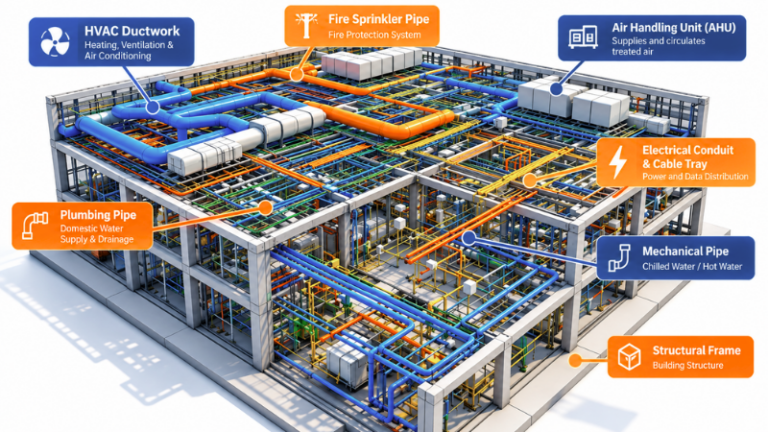
Some tools now connect directly to common data platforms. For example, Autodesk Workshop XR links with Autodesk Construction Cloud so teams can review models together and track issues in one place. Effective BIM coordination and design support can further help AEC teams coordinate design information and address potential conflicts before construction begins.
Who Should Join the Review?
- Architects and designers
- Structural, mechanical, and electrical engineers
- General contractors and site managers
- Health and safety teams
- Clients and facility owners
Research on best practices in using VR for design review points out that this method helps people who are not design experts, such as construction staff and safety teams, take an active part and share useful feedback.
How does a mixed reality design review work?
Mixed reality combines digital content with a view of the physical environment. Using compatible devices, teams can position or view a digital model in relation to an actual space or construction site.
Consider a proposed utility installation. Instead of reviewing its position only on a screen, the team may be able to view the planned arrangement against the real surroundings.
This can help stakeholders discuss site access, clearances, interfaces with existing assets, and potential conflicts between the design and its environment.
The value depends on the accuracy of the model, alignment with site conditions, device capabilities, and the review process.
Why does this matter for AEC projects?
Both technologies give stakeholders another way to understand technical information. They can be especially useful when a project involves complex geometry, multiple disciplines, difficult access conditions, or decisions that are challenging to communicate through conventional drawings.
Immersive visualization is by no means enough to prove a design because calculations, code requirements, documentation, and approvals still need to be made. Explore our AEC design and drafting support services to learn how technical design support can help strengthen project coordination.
Mixed Reality in Construction: How It Differs from VR and AR
These terms often get mixed up, so here is a simple way to tell them apart.
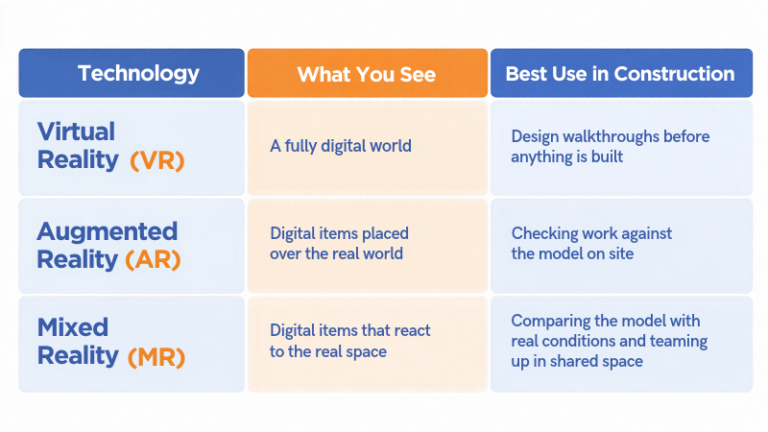
Augmented Reality in Construction
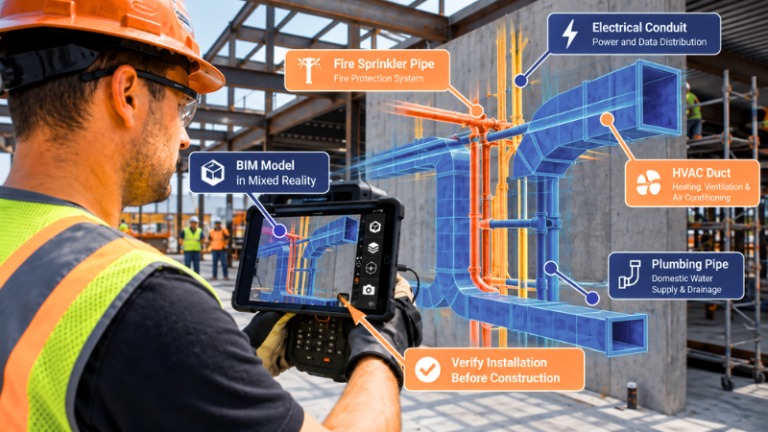
Augmented reality in construction is often used during the build phase. A worker holds up a tablet or wears a headset and sees the planned pipes or walls over the real site.
HoloLens in Construction
Devices like Microsoft HoloLens made HoloLens in construction a popular topic. Teams use headsets like these to place 3D models in a real room and check fit before installing anything. For example, NVIDIA’s case profile on Hensel Phelps describes a contractor using both VR and mixed reality headsets to review designs.
7 Proven Ways a VR Design Review Helps Reduce Rework in Construction
1.Helps in Easily Understanding Clash Detection
Clash detection is carried out using software to detect any collisions that may occur in building systems. However, a list of clashes may be hard to comprehend. Through VR technology, the clashes are easily understood and resolved.
2. It Improves BIM Coordination
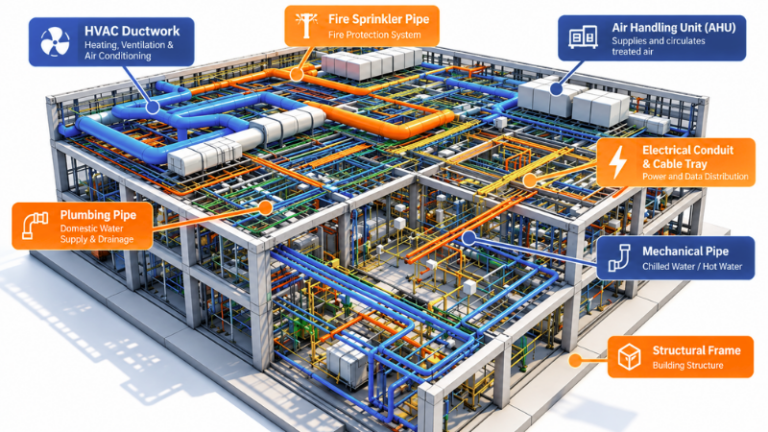
BIM Coordination requires that all the trades have to come to an agreement using a single model. In VR, all the trades are brought together in one place. They can talk about an issue, identify the problem and find a solution in minutes.
3. It Gives Non-Experts a Clear View
While the client may not be able to interpret the drawings well, everyone understands the room that he is in. If the client gives his opinion early, there will not be any surprises later in the form of “We would like to change this”.
4. It Supports Better Planning of Work Order
The team will be able to walk through the process in which the structure will be built. They will be able to view the access route, lifting path, and sequence of work to be done. This is an integral part of virtual design and construction (VDC).
5. It Helps Catch Safety Problems Early
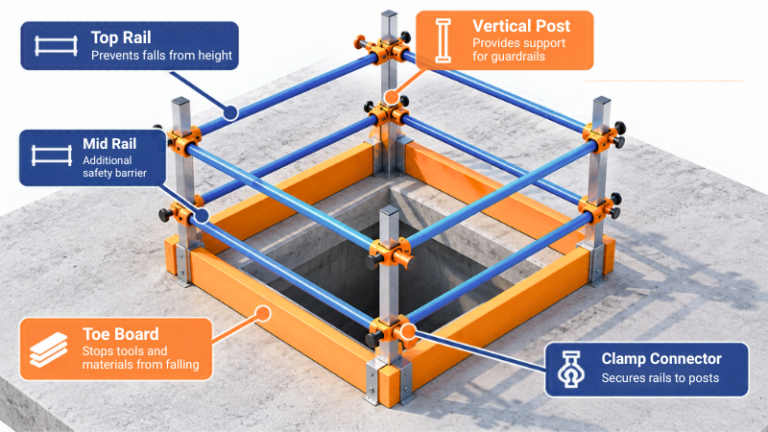
The safety officers will be able to observe any areas that could be too close together, have difficult access, or have dangerous layouts before anybody goes to the construction site.
6. It Cuts Down on Requests for Information (RFIs)
When a design is clear to everyone, fewer questions come from the site. NVIDIA’s Hensel Phelps profile reports that projects using VR fully saw a 60-65% drop in design issues, and fewer RFIs can save a large number of hours on one project. Treat this as one company’s reported result rather than a promise for every project.
7. It Speeds Up Decisions
When everyone sees the same thing, decisions happen faster. Teams order the right materials sooner and avoid costly delays.
Benefits of VR in AEC: Quick Comparison
Here is a simple view of the benefits of VR in AEC compared with a traditional review.
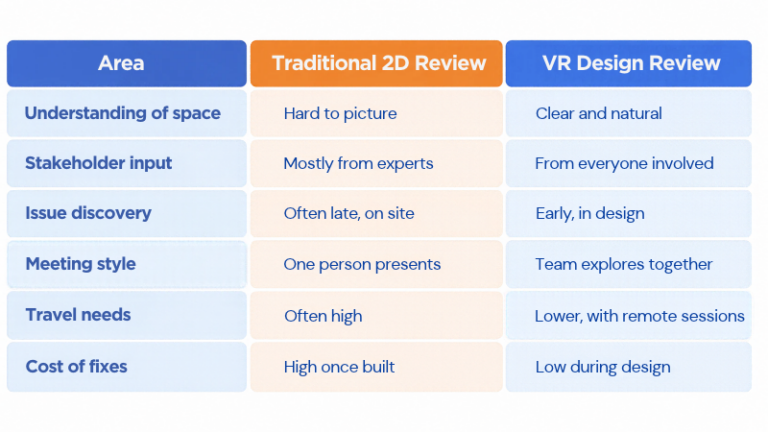
Cost and Carbon Savings
Researchers estimate that early VR-based reviews could cut the share of spending lost to on-site rework by roughly 10 to 15 percent. Remote sessions can also reduce travel, which matters because the construction sector is linked to about 39% of global carbon emissions, according to the same research.
How to Run a VR Design Review: A Simple Step-by-Step Plan
If you are asking how to reduce rework in construction projects, here is a practical path you can follow.
- Step 1: Set Clear Goals Decide what you want from each review. For example, you may want to check clearances, test layouts, or confirm finishes.
- Step 2: Prepare a Clean BIM Model Run your normal clash detection first. Remove old files and make sure the model is up to date.
- Step 3: Invite the Right People Bring in design, site, safety, and client voices. Keep the group small enough to stay focused.
- Step 4: Run a VR Walkthrough for Construction Projects A virtual tour of any construction project must have a route. Begin from the point of entry and proceed room to room, halting at critical zones of risk. Write down all observations.
- Step 5: Log and Assign Issues Turn each finding into a task with an owner and a due date. Do not let comments stay in the room.
- Step 6: Update the Model and Review Again After fixes are made, repeat the review on the changed areas. This closes the loop.
- Step 7: Repeat at Each Design Stage Run a review at concept, detailed design, and pre-construction stages. Early and regular reviews give the best results.
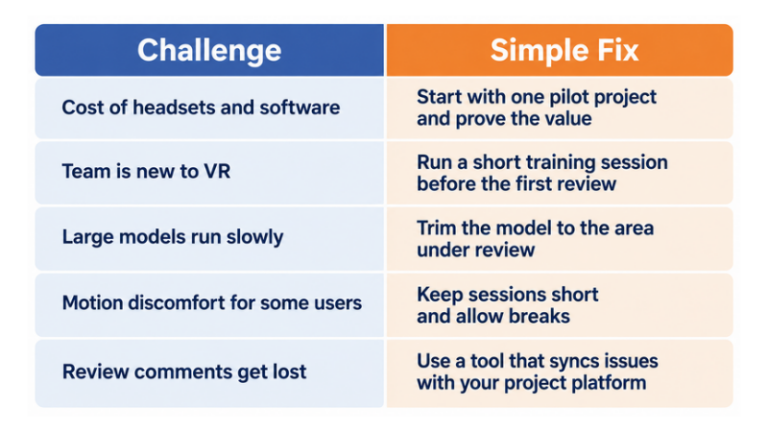
Common Challenges and How to Handle Them
Tips for VR for Architects
Using VR in architecture should be done as early as possible. The advantage is that you have not finalized the plan yet, so the feedback received through VR can actually impact the design and you will not have to make another attempt at the design.
Where VR Design Review Is Heading Next
The next step is to link design reviews with live project data. A digital twin in construction is a digital copy of a building that stays connected to real information. Teams can use it to test changes, track progress, and plan upkeep long after handover.
As headsets get lighter and software gets easier to use, an immersive design review will soon feel as normal as a video call. Teams that start now will build a real advantage.
Strengthen Your Design Before Construction Begins
At Contragenix AEC Design & Support, we help AEC consultants strengthen project outcomes with the right design strategies, BIM coordination, and technical support. Identify potential issues earlier and make more informed design decisions before they reach the construction site.
Conclusion
Site surprises usually begin as design surprises that are impossible to predict. A proper design review in virtual reality is a great opportunity for your team to walk through the design and identify issues in advance, while they can still be corrected affordably.
It is best to start small. Choose a project, provide a neat BIM model, involve the right people, and conduct the first VR walkthrough. Make sure that you also use clash detection, proper BIM coordination, and if applicable, mixed reality in construction.
Time to eliminate rework at an early stage? Conduct the first design review today.
Scale Your AEC Projects with Expert Design Support
Whether you’re managing multiple projects or facing resource constraints, our experienced engineering professionals seamlessly integrate with your team to provide accurate design, drafting, BIM coordination, and technical documentation, keeping your projects on schedule and within budget.